
The Pygocentrus nattereri, also known as red-bellied piranha, is native to the Amazon River. These fish are aggressive and will eat each other in certain situations. They don’t swim in the rivers surrounding New York City, though looking back at the last few months of the Amazon debacle, it’s possible a few of them swam up from the southern hemisphere, grew legs, and entered our metropolis.
A little background

I’m not a big user of Amazon. The last item I ordered was a 4 pack of Parker Jotter pens ─ a good deal at $28. I purchased them on-line because I like Parker Jotter pens, have been using them since grade school, and I can’t seem to find them anymore. The small stationary shops I’d buy them in are gone and even the big category killers like Staples don’t carry them. I’m not a big on-line shopper. I like to touch and see and prefer the instant gratification of making a store purchase. When it seemed as if Amazon would kill off every independent book shop, I was horrified and vowed to never buy a book from them. I still patronize small, local book stores (and will continue to shop at The Astoria Bookshop and Three Lives & Company). But I realize that on-line is the future and a way of life for busy people.
So, when Amazon announced its intention to open in Long Island City, I was a bit ambivalent. As someone who loves urban neighborhoods, it scared me. But as an economic developer and student of NYC history, I understood its importance.
As I have told everyone who asked, I was not even remotely connected to the Amazon discussions.
And honestly, I wasn’t hurt. The focus of the Queens Economic Development Corporation is helping people ─ predominantly those of low and moderate income, minorities, women, and immigrants ─ start and expand their businesses. No one calls us to discuss major projects. But in retrospect, Amazon and the powers that be should have included us ─ and a host of local agencies and community groups ─ in their discussions. It would have given them a better a lay of the land, and the end result might have been different.
In the days after the announcement, my ambivalence turned to practicality and pragmatism. New jobs in a new growth sector ─ talk about a game changer for the city’s economy ─ and it was to happen in Queens!
What excited me was the idea of a new sector in the borough. Our economy is focused on transportation (JFK and LGA airports are major employers); healthcare; education; and the service sector. Manufacturing ─ the mainstay for generations ─ left decades ago. But tech is the future. And a future that ─ with training ─ would provide many opportunities for the same populations that the QEDC serves. It’s a growing sector with positions that pay well and propel people into the middle class. Currently, Wall Street, finance and professional services account for 35 percent of the share of wages in this city ─ the bulk of those jobs are located in Manhattan. And the reality ─ especially for the highest paid positions ─ is that they are staffed by people that look a lot like me: male, white, educated, and connected (though I suspect most are taller and better looking than me). Even though it is 2019 and the Wall Street/Finance/Professional Services world has changed for the better, schooling, connections, and heredity still influence decisions.
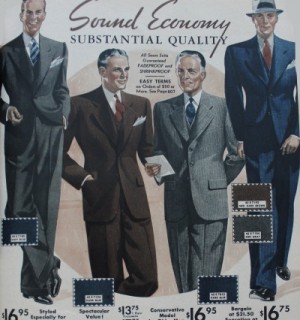
Tech, being a “new sector” is much more of a meritocracy ─ and that’s what was exciting to me about Amazon choosing Queens.
What have we learned?
The last three months played out sadly. Mistakes, misinformation, and missed calculations reigned on many levels. In the aftermath there will be a great deal of finger pointing. But the beauty of mistakes is that we can learn from them, though only if we are not pig-headed and arrogant. It’s a good time to rethink how we can grow our economy in an equitable way and how we can better structure economic development incentives. (Last week, I heard Amazon opposition leaders claim that we can now use the $3 billion for housing, school, and trains – they were tax credits! Not money in a lockbox!) What we all learn from this is that companies that want to expand here need to be proactive and engage the local community; discussions between all stakeholders need to be more transparent and correct information needs to be trumpeted in ways everyone understands ─ especially how tax credits work!
Government and community leaders are the stewards of our city. Their influence is felt not just during their tenure but for years afterwards. To that end, I believe the ones who opposed Amazon let down a generation of young people ─ especially those of low and moderate income, women, minorities, and immigrants. We must remember that the word “progressive” has “progress” embedded in it. If young people do not have opportunities, they cannot make progress.
I find I am more sanguine as I reach five decades involved in local economic development. In the great cosmic realm of things, this was not a tragedy: no one died and no one was maimed. We make mistakes and learn from them. This is a city where we can study the past and build for the future. We are New Yorkers. We are resilient. It’s time to get back in the water* and let the Pygocentrus nattereri keep to their natural habitat in the Amazon River.
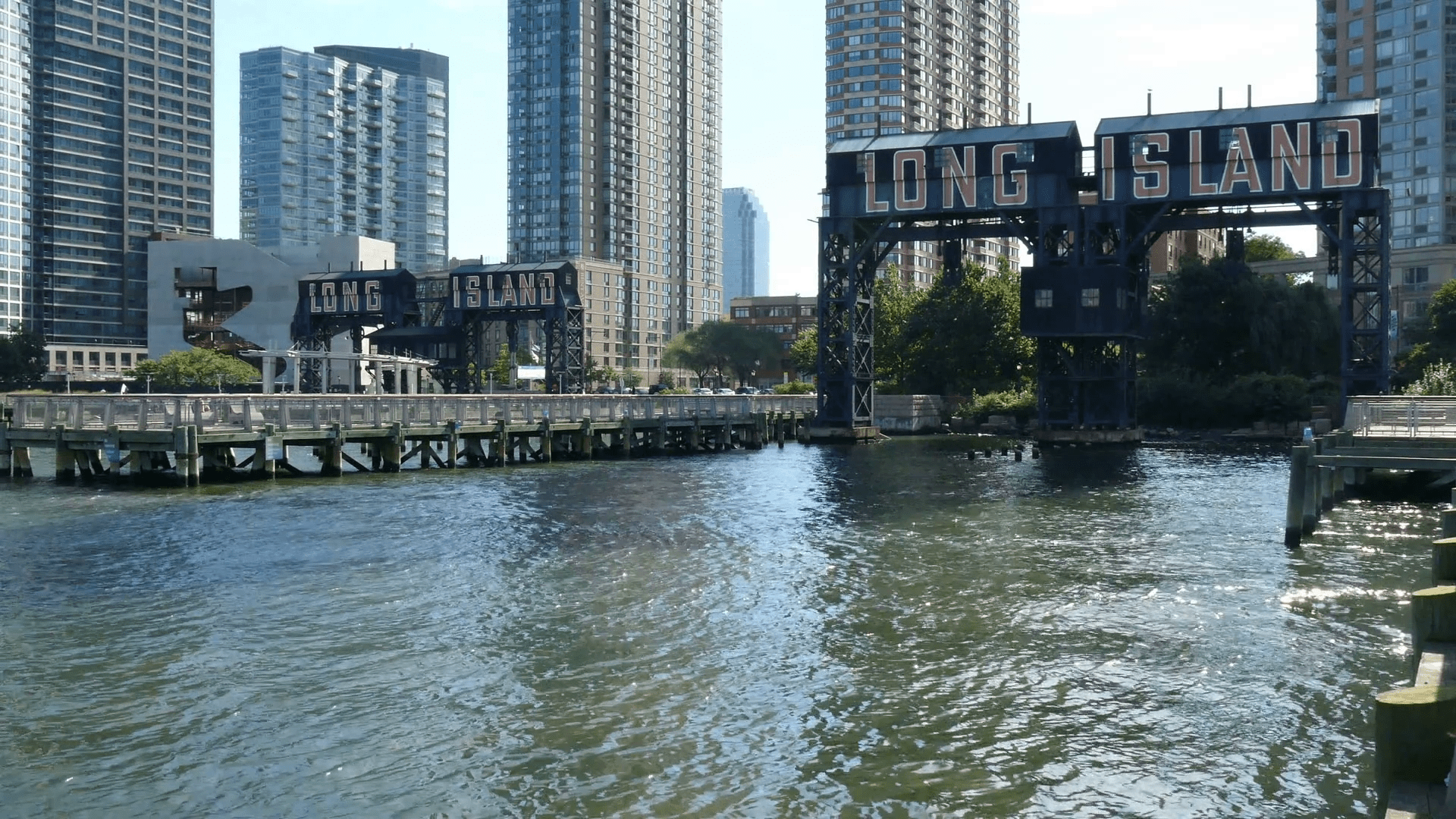
*Considering the name and the origins of this blog, I had to have a reference to swimming!


 Swimming to Jerusalem
Leave a reply to Selvin Gootar Cancel reply